
DODD Waiver Services
Personalized Support. More Possibilities.
Waiver-funded supports may help eligible people with disabilities work toward greater independence, participation in their community, and a better quality of life. Our team is here to talk through what support could look like and what the next steps are.
Eligibility and funding are decided through Ohio's developmental disabilities system, not by Trusted Care Home Services.
Understanding the basics
What DODD waiver services are, in plain language
Two things are true at once: there is a statewide system, and there is the support a provider offers within it. We keep them separate so you always know which is which.
About Ohio's waiver system
- Ohio's Department of Developmental Disabilities (DODD) oversees waiver programs that may help eligible people with developmental disabilities receive support at home and in the community.
- Enrollment is not automatic. Eligibility, assessments, service plans, and funding are decided through Ohio's system, including each county's board of developmental disabilities.
- Waiver names, rules, and funding availability can change over time, so current details are best confirmed with your county board or DODD.
At Trusted Care Home Services
- The supports described below are the ones we list on our Services page.
- Whether a particular support can be provided under a person's waiver depends on their service plan, available funding, and the scope of services we are approved to deliver.
- We cannot approve a waiver or guarantee funding. Our team will talk with you about what we can and cannot provide for your situation.
How support may help
Everyday supports, shaped around the person
Support is built around what each person wants from their day. These are the areas our team assists with.
-
Personal care & daily living
Help with everyday activities such as bathing, dressing, meal preparation, and moving around, so people can keep doing what matters to them at home.
-
Homemaker support
Household tasks that help a home stay comfortable, safe, and manageable, from light cleaning to keeping daily routines on track.
-
Community participation
Company and support for community activities, skill-building, and social connection, guided by the person's own goals.
-
Respite support
Short-term in-home coverage that gives family caregivers time to rest, travel, or take care of other responsibilities.
-
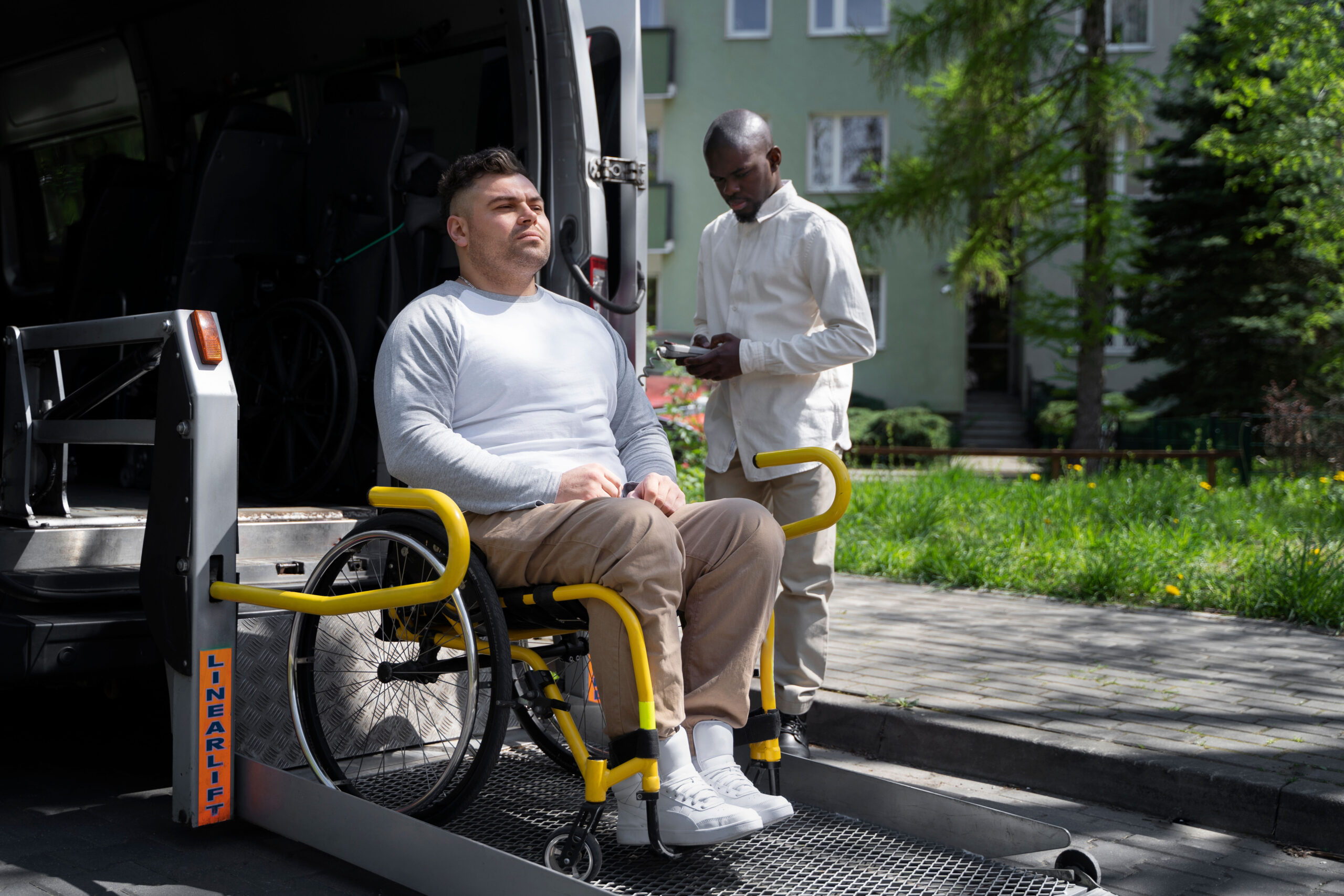
Transportation & escort
Safe rides and accompaniment to appointments, community programs, and social activities.
Not every support is available to every person. What can be provided depends on the person's service plan, funding, and our approved scope. Ask us about your specific situation.

Person-centered support
Support that starts with the person
No two people want the same things from their day. Good support follows their lead.
Preferences & choices
People decide how they want to live. Support adapts to them, not the other way around.
Dignity & privacy
Personal care and personal information are handled with respect, every time.
Individual goals
Some people want a new skill, a job, or more time out in the community. Others want a steadier routine at home. Each goal counts.
Communication needs
People communicate in many ways. Support starts by learning how each person expresses themselves.
Independence & participation
The aim is to build on strengths and make room for people to take part in their own lives.
Family & guardian involvement
Where appropriate and authorized, family members and guardians are part of the conversation.
Who may be a fit?
If you are exploring support, you are welcome to ask
You do not need to know exactly what you need before you reach out.
Individuals with disabilities
People who want to learn what support could look like in their own home and community.
Families and guardians
Loved ones looking for support for someone they care for, or for time to rest as caregivers.
People exploring options
Anyone who is still learning how waiver supports work and what questions to ask.
Whether support is available depends on:
- The person's circumstances and needs
- The rules of the applicable program
- The scope of services we are approved to provide
We cannot promise eligibility or placement.
Getting started
Three simple steps
Reach out
Contact our team to talk about the support the person is looking for.
Discuss next steps
We work out what information is needed and whether the support you want matches the services we are confirmed to provide.
Plan together
Once eligibility, availability, and program requirements are clear, we explain the appropriate next steps.
Contacting us does not establish eligibility or guarantee services or funding.
Frequently asked questions
Questions people often ask
Short answers to common questions. Details depend on Ohio's current rules, so please confirm specifics with your county board.
DODD waiver services are supports funded through programs overseen by the Ohio Department of Developmental Disabilities. They may allow eligible people with developmental disabilities to receive support at home and in the community.
Ohio has more than one waiver, and program names, rules, and available services change over time. Your county board of developmental disabilities can explain the current options.
Eligibility is decided through Ohio's developmental disabilities system, not by Trusted Care Home Services. It generally involves an assessment and approval, and your county board of developmental disabilities is usually the best place to start.
Requirements can change, so please confirm current details with your county board or the Ohio Department of Developmental Disabilities.
No. Reaching out starts a conversation. It does not establish eligibility, approve a waiver, or guarantee that services or funding will be available. We can talk with you about what we are able to provide and what the next steps might be.
The available supports depend on the person's waiver, service plan, and funding. Good places to start:
- Your county board of developmental disabilities, or the person's service and support administrator (SSA) if they already have one
- The person's current service plan, if they have one
- Our team, who can tell you which supports we provide and whether they may fit what you are looking for
You do not need to have everything ready. It can help to think about:
- Who the support is for, and whether you are calling for yourself or as a family member or guardian
- What the person wants help with and what goals matter to them
- Their county, and whether they already work with a county board or SSA
- Any questions you want to ask
Share only what you are comfortable sharing.
Let's Talk About the Support That Fits Your Needs.
Whether you are just starting to ask questions or ready to talk through options, we are glad to listen. There is no pressure, and no question is too small.