
Thoughtful Support. Clear Communication. Your Well-Being Matters.
Individuals and families are welcome to talk with us about their support needs, daily routines, and questions, so together we can understand which services may be appropriate and available.
Contacting us does not guarantee that a specific service can be provided. Availability depends on individual needs and confirmed requirements.
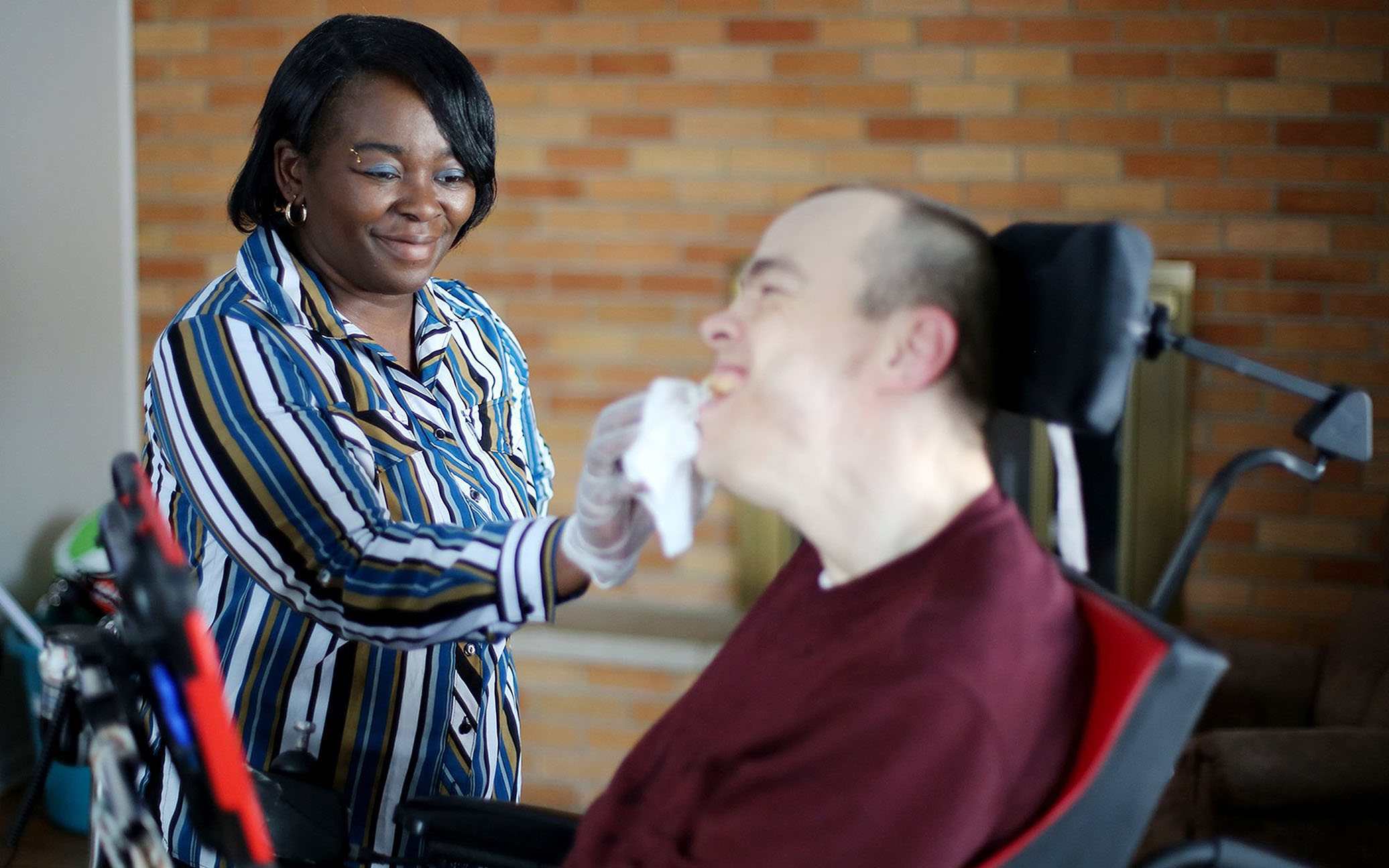
Understanding Medication-Related Assistance
“Medication-related support” can mean different things for different people. What is possible depends on the person’s needs, the rules that apply, and what a provider is approved to do.
That is why it helps to talk things through first. Some conversations are simply about routines and communication. Other tasks may require specific qualifications or authorization before anyone can agree to them.
Decisions that belong to healthcare professionals
- Prescribing medication or making diagnoses
- Changing doses or schedules
- Making independent clinical decisions
Questions like these should always go to the person’s doctor, prescriber, or pharmacist.
General support conversations
Talking about routines, preferences, how to communicate, and who should be contacted with questions. These help everyone understand what support might look like.
Tasks requiring qualifications or authorization
Some health-related tasks can only be done by people with the right training and permission. Whether a task is within a provider’s scope must be confirmed before it is agreed to.
What this page is not
This page is general information. It is not medical advice and does not describe how to take or give any medication.
Understanding Individual Health-Support Needs
Before any services are arranged, it helps to talk openly about needs and expectations. These are planning considerations, and not a list of tasks we promise to perform.
Taking the time up front helps everyone stay clear about who does what, and what information needs to be shared.

- The person’s established routines and preferences
- Communication needs, and how the person expresses concerns
- Relevant instructions from authorized healthcare professionals
- Information that must be shared with consent and appropriate authorization
- Who should be contacted when a concern or question comes up
- Which tasks fall within the provider’s verified service scope
Support Starts With the Person
No two people have the same needs or need the same level of assistance. These principles guide how conversations about support should go.
Dignity and privacy
Respecting personal dignity and keeping private information private.
Part of every decision
Supporting the individual’s participation in choices about their own support.
Clear, respectful communication
Plain language, patience, and room for questions.
Following the plan
Following applicable instructions, plans, and requirements.
Routines and preferences
Respecting how each person likes their day to go.
Working with the right people
Coordinating with authorized family members, guardians, or professionals when appropriate.
Questions to Discuss Before Services Begin
Bring these questions to your first conversation. They are a starting point for you, not a description of procedures already in place.
- What specific support is needed?
- Is the requested task within the organization’s confirmed service scope?
- What qualifications, training, or authorizations are required?
- What instructions or documentation are needed?
- Who should be contacted if a question or concern arises?
- How will privacy, consent, and communication be handled?
Exploring Support Options?
These conversations are open to individuals with disabilities and to the families, guardians, or representatives exploring support options.
Availability depends on individual needs, applicable program rules, required authorizations, staff qualifications, and the provider’s confirmed scope. We cannot promise eligibility, specific services, or immediate availability, but we are glad to talk through your questions.

- Individuals with disabilities
- Parents, guardians, and authorized representatives
- Families comparing support options
Three Simple Steps
Share your questions
Describe the type of assistance you are exploring.
Clarify the requirements
Establish what the person needs, and whether the requested task is within the provider’s verified scope and applicable authorizations.
Confirm next steps
Determine what documentation, coordination, or further discussion is needed before any service is agreed upon.
Contacting Trusted Care Home Services does not guarantee that a requested service can be provided.
Frequently Asked Questions
It can mean different things depending on the person’s needs, the rules that apply, and what a provider is approved to do. It may be as simple as talking about routines and who to contact with questions, or it may involve tasks that require specific qualifications and authorization.
Whether a particular medication-related task can be provided depends on the person’s needs, applicable requirements, and required qualifications and authorizations. Please contact the organization directly to confirm the current service scope before assuming any task is available.
Questions about doses, schedules, side effects, or symptoms belong with the person’s doctor, prescriber, or pharmacist. This website does not provide medical advice. In an emergency, call 911.
Requirements can vary by the type of task, applicable program rules, and instructions from authorized healthcare professionals. The specific requirements that apply to your situation must be confirmed directly with the organization and, where appropriate, with your care team or program contacts.
Call or email us, or use the contact form, and describe the kind of support you are exploring. We will talk with you about what is needed and which services may be appropriate and available. Go to the contact page.
Let’s Discuss Your Individual Support Needs.
If you have questions about available services and requirements, we’re here to listen. Reach out at your own pace, and we’ll talk through what may be possible.